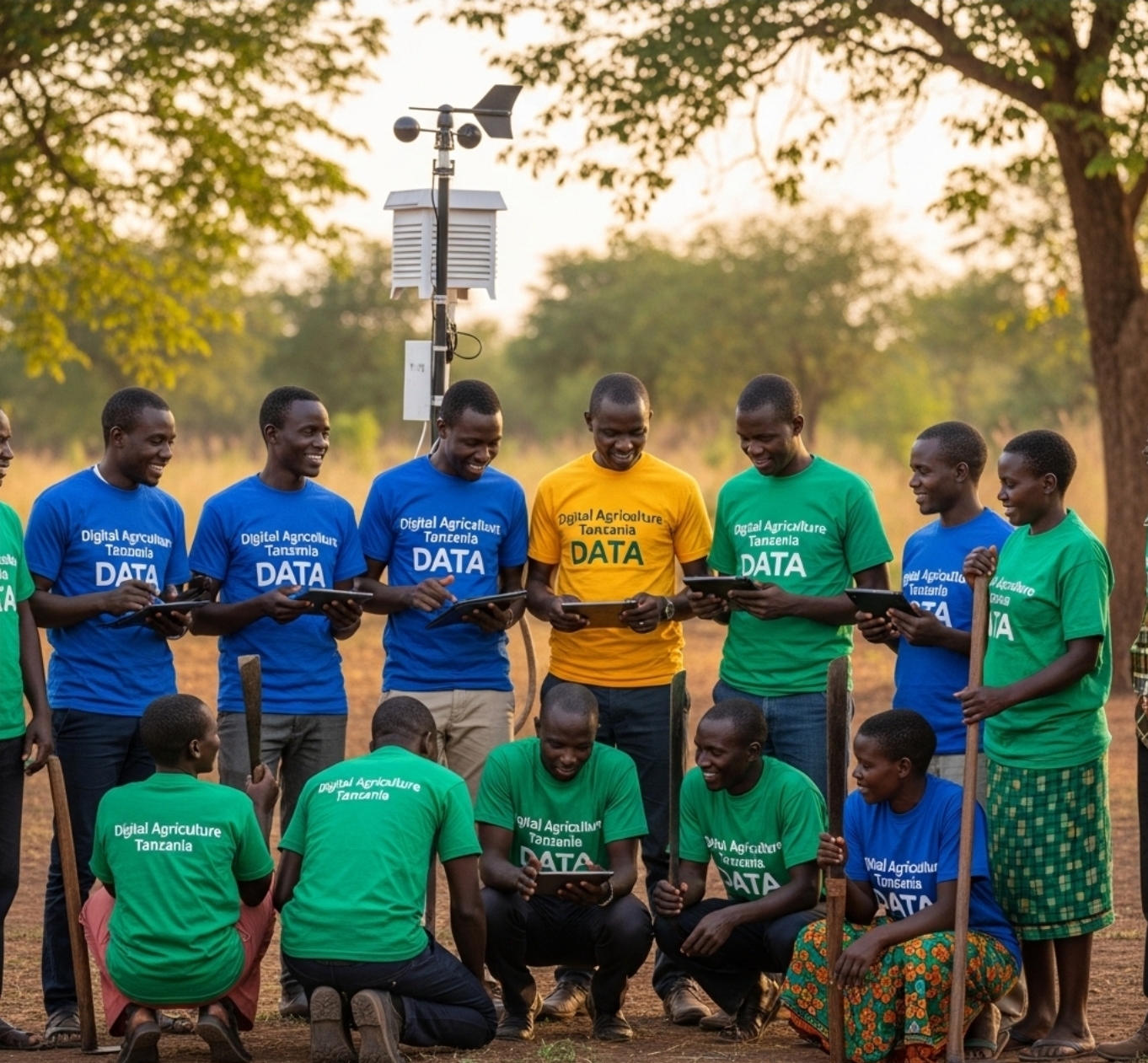
In the fertile plains of Tanzania, from the slopes of Kilimanjaro to the shores of Lake Victoria, farming has long been the backbone of life and economy. For generations, the rhythms of planting and harvesting were dictated by tradition and a deep, intuitive understanding of the land. But in the face of a changing climate, degrading soils, and unpredictable rains, a new approach is needed—a digital revolution quietly taking root, driven by the nation’s youth.
This new generation, armed with education and digital fluency, sees not despair in these challenges, but data points, inefficiencies, and an unprecedented opportunity for transformation. They are the architects of a new era in Tanzanian agriculture, turning away from the lure of cities to find their future in the soil, powered by technology. Their work is the very embodiment of the Tanzania Development Vision 2050 (Dira ya Taifa ya Maendeleo 2050), which calls for agricultural modernization and digital transformation to build a strong, competitive economy.
Precision Agriculture for the Smallholder Farmer
For the millions of smallholder farmers who are the bedrock of the nation’s food supply, the revolution begins with the device in their hands: the mobile phone. Youth-led agri-tech initiatives are rolling out simple, accessible applications that place the power of data directly into the farmer’s hands. AI-driven tools provide hyper-local weather forecasts with remarkable accuracy, allowing for timely planting and harvesting. Using just a smartphone camera, a farmer can now get an instant analysis of potential crop diseases or nutrient deficiencies, receiving immediate, actionable advice. These platforms dismantle old barriers, connecting farmers directly to digital marketplaces, ensuring fair prices and cutting out exploitative middlemen. This is the democratization of data, turning subsistence farms into profitable, resilient enterprises.
Digital Agriculture for Medium-Scale Cooperatives
For medium-scale farms and cooperatives, digital agriculture offers a pathway to enhanced efficiency and collective power. Cloud-based farm management platforms are being deployed to digitize every aspect of their operations. These systems allow for meticulous tracking of inventory, streamlined financial management, and access to real-time market intelligence. By aggregating their data, cooperatives can make smarter, collective decisions, purchasing inputs in bulk at significant discounts and negotiating from a position of strength. IoT (Internet of Things) sensors placed in fields and storage facilities monitor soil moisture, temperature, and post-harvest conditions, reducing waste and optimizing resource allocation.
The High-Tech Frontier: Large-Scale Farming
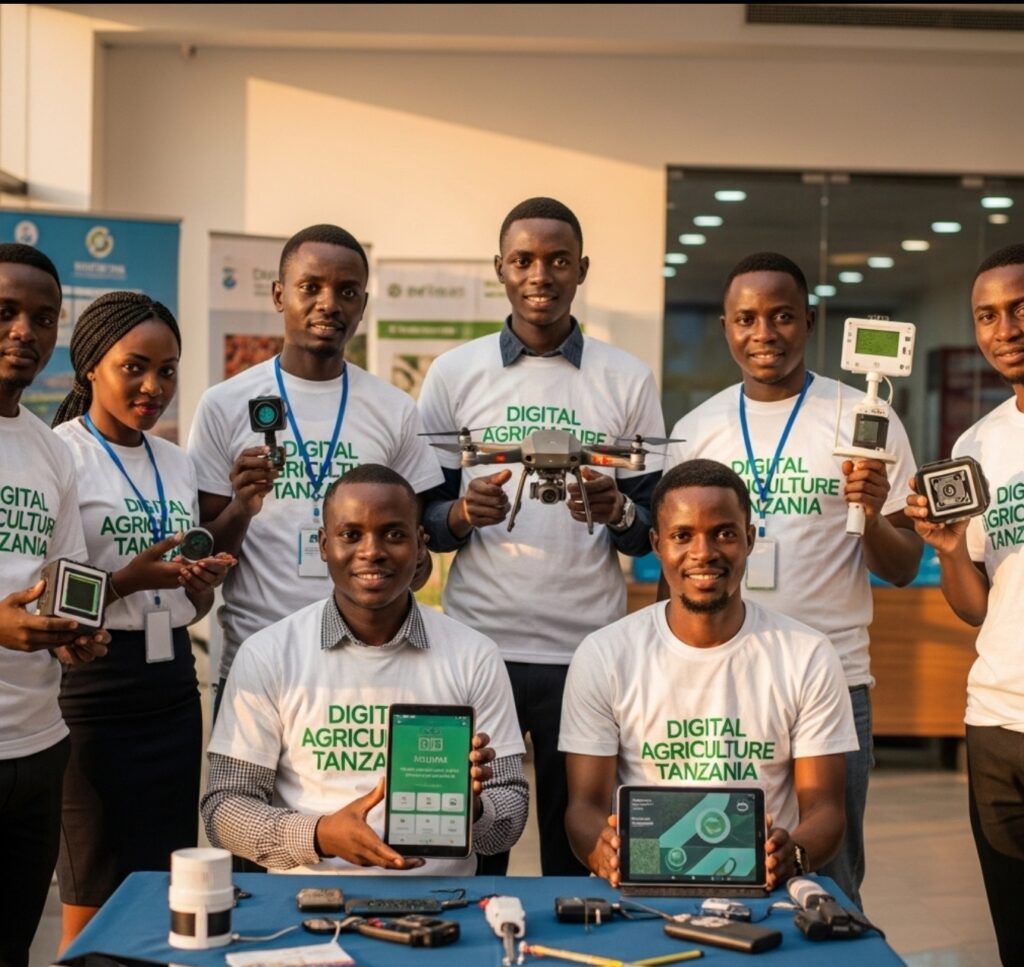
On the vast expanses of large-scale commercial farms, the full potential of precision agriculture is being unleashed. Unmanned aerial vehicles (UAVs), or drones, equipped with multispectral and hyperspectral sensors, patrol the skies. They gather immense volumes of data, creating detailed maps that reveal variations in crop health, water stress, and soil composition. This information feeds into powerful AI analytics engines that generate precise “prescriptions” for farm machinery. GPS-guided, autonomous tractors then execute these plans with sub-inch accuracy, engaging in variable-rate application (VRA) of water, fertilizers, and pesticides. Resources are applied only where needed and in the exact amount required, drastically cutting costs, conserving water, and minimizing environmental impact.
This technological leap forward is not happening in a vacuum. It is the engine driving the national agenda, a direct response to DIRA 2050’s call to “increase agricultural productivity… through mechanization, irrigation, and digital tools.” As youth-led innovation flourishes, it moves the nation closer to its goal of becoming a global food producer and achieving double-digit agricultural growth.
The result is a paradigm shift. The landscape of Tanzanian agriculture is being reimagined—one algorithm, one drone flight, one empowered farmer at a time. This is more than just adopting new tools; it is about building a sustainable, food-secure, and prosperous future. Through the fusion of ancestral knowledge and digital innovation, the youth of Tanzania are not just cultivating crops; they are cultivating unlimited opportunity and harvesting a brighter future for all.
Leave a Reply