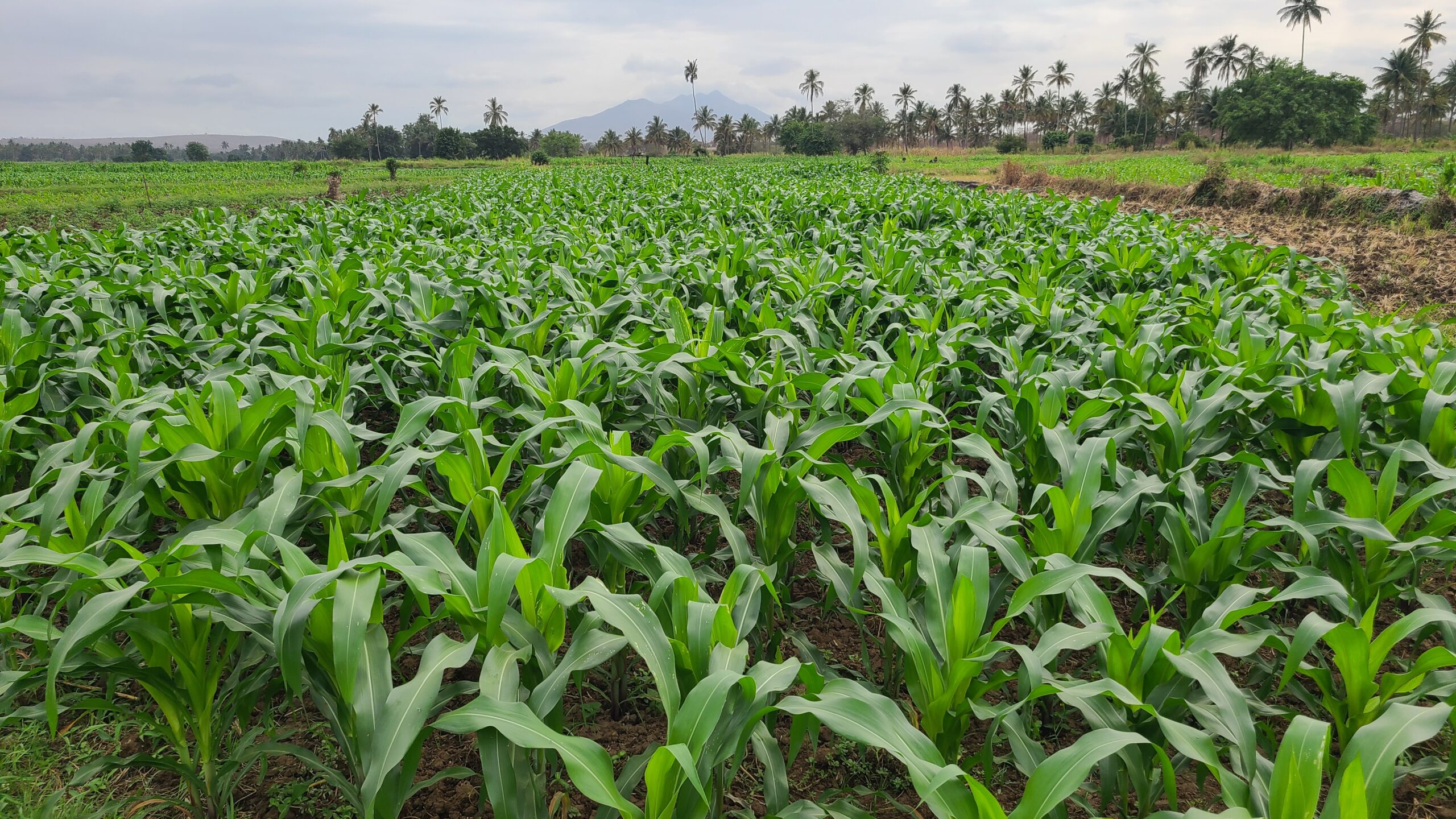
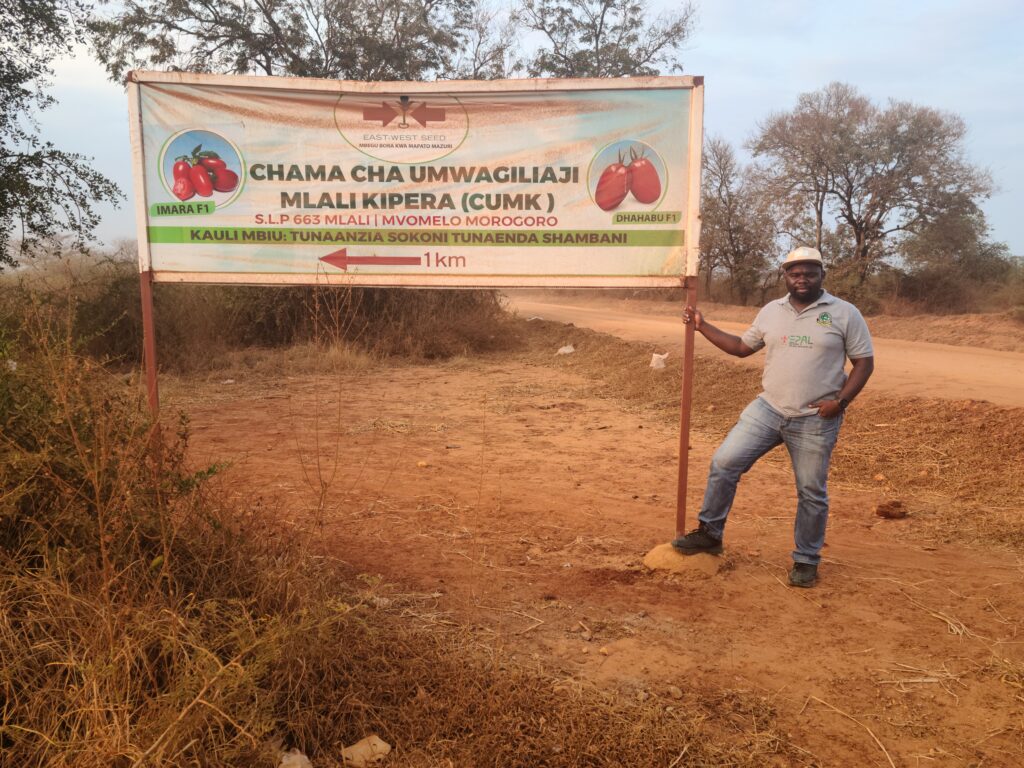
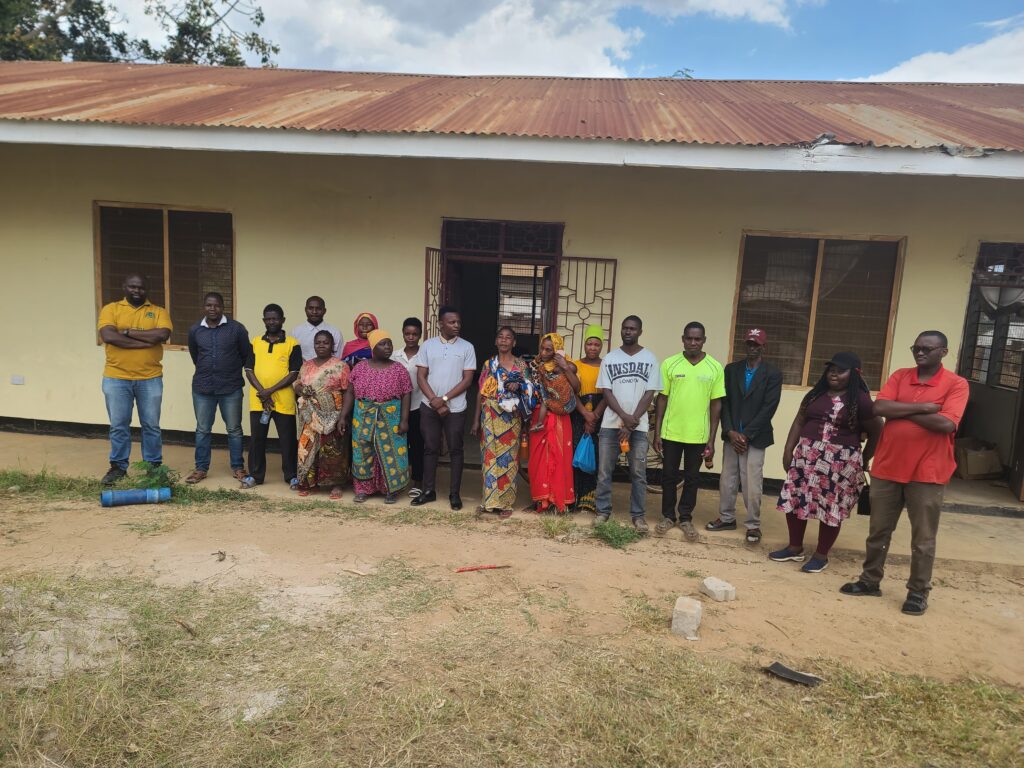
The sun was already high in the November sky, casting a warm, golden hue over the lush fields of Mlali, a small farming village nestled in the heart of Tanzania’s Morogoro region. A group of smallholder farmers, their faces etched with the wisdom of seasons past, gathered under the shade of a sprawling mango tree. There was a buzz of anticipation mixed with a healthy dose of skepticism. They had been invited by the Digital Agriculture Tanzania (DATA) organization to witness something that promised to change the way they farmed forever.
Among them was Mzee Juma, a man whose hands, calloused and strong, had tilled the soil of his family’s shamba for over fifty years. He had seen droughts and floods, pests and bumper harvests. He trusted the rhythm of the seasons and the strength of his own back. When he heard about “flying machines” and “digital eyes” for farming, he had chuckled, a deep, rumbling sound. “What can a toy in the sky teach me about the land I’ve known my whole life?” he had mused to his neighbors.
Soon, a vehicle from DATA arrived, and a team of young, energetic Tanzanians began to set up their equipment. It was a stark contrast to the familiar hoes and pangas that lay propped against the tree. Laptops, a portable table, and a large, futuristic-looking drone were carefully unpacked. The farmers inched closer, their curiosity piqued.
The moment of truth arrived. With a gentle whirring sound that grew into a confident hum, the drone lifted off the ground, its propellers creating a mini whirlwind of dust. It ascended gracefully, a dragonfly of the modern age, and hovered over a demonstration plot of maize. The farmers watched, their eyes wide with a mixture of awe and disbelief.
On a laptop screen, the DATA team showed them a live feed from the drone’s camera. It was their field, but seen from a perspective they had never imagined. They could see individual plants, areas where the leaves were a lighter shade of green, and patches of soil that were drier than others. The drone then executed a precise spraying maneuver, releasing a fine mist of organic pesticide only on the areas that needed it, leaving the rest of the plot untouched.
A hush fell over the crowd. Mzee Juma, who had been standing at the back, pushed his way to the front. He pointed a weathered finger at the screen. “You mean,” he began, his voice filled with a newfound sense of wonder, “that this… this thing… can tell me which of my plants are sick? And it can give them medicine without wasting any?”
The DATA team leader, smiled. “Exactly, Mzee. It can save you time, reduce the cost of pesticides, and help you get a better yield. It can even tell you the health of your soil.”
The farmers erupted in a chorus of excited chatter. The initial skepticism had melted away, replaced by a tangible sense of hope. They were no longer just farmers; they were visionaries, imagining a future where they could work smarter, not just harder.
But the question of cost hung in the air. How could they, as smallholder farmers, afford such advanced technology? Fatma had an answer for that too. She explained the concept of Agricultural Marketing Cooperative Societies (AMCOS), something the farmers were already familiar with for selling their high-value crops. “Through your AMCOS,” she explained, “you can pool your resources and share the cost of the drone. It can work on all your farms, a shared tool for a shared future.”
This was the spark that ignited a fire of possibility in their hearts. They could see a clear path forward, a way to embrace the future without leaving anyone behind.
As the sun began to set, casting long shadows across the fields, Mzee Juma stood looking at his shamba. But this time, he saw it with new eyes. He saw not just the land of his ancestors, but a canvas of opportunity. He saw a future where his children would not have to choose between their heritage and progress, a future where technology and tradition could dance together in harmony.
The visit from DATA was more than just a demonstration of technology. It was a powerful message of empowerment. It was a testament to the fact that the digital divide between the global north and south could be bridged, one village at a time. It was a living example of how innovation could be harnessed to achieve the Sustainable Development Goals, ensuring a world with zero hunger and a sustainable future for all. The day the future landed in Mlali, it brought with it not just a drone, but a new season of hope.
Leave a Reply